

Workers' Compensation
Medical benefits and wage replacement for employees injured on the job.
WORKERS' COMPENSATION OVERVIEW
Protect your team — and your business — when injuries happen.
Workers' Compensation provides medical benefits and wage replacement to employees who are injured or become ill due to their job. It's required in virtually every state for any business with employees — and for good reason. When someone on your team gets hurt, workers' comp ensures they receive prompt medical care and income support without needing to sue you to get it. In healthcare especially, where the physical demands on staff are constant, workers' comp isn't just a legal requirement — it's a fundamental commitment to your people.
Full medical coverage
Emergency care, surgery, therapy, and prescriptions for work-related injuries.
Wage replacement
A portion of lost wages while the employee recovers and returns to work.
Employer liability shield
Protection from lawsuits by injured employees alleging employer negligence.
Rehabilitation support
Vocational rehab for employees who cannot return to their previous role.
WHO NEEDS THIS COVERAGE
Is This Coverage Right for You?
The businesses and professionals who benefit most from Workers' Compensation.
Any Employer
Any business with one or more employees — workers' comp is legally required in most states and non-compliance carries severe penalties.
Healthcare Practices
Healthcare practices and clinics where staff routinely lift patients, handle sharps, and work in fast-paced environments with elevated injury rates.
Care & Home Health
Assisted living and home health agencies with physically demanding care roles where patient-handling injuries are a constant exposure.
Restaurants & Hospitality
Restaurants and hospitality businesses with high rates of cuts, burns, and slips that generate frequent workers' comp claims.
Construction & Trades
Construction and trade businesses with significant on-site physical risk where injury severity and frequency are above average.
OUR PARTNERS
We work with trusted workers' compensation carriers.
WHAT YOU NEED TO KNOW
What Workers' Compensation Covers — and What It Does Not
What It Covers
- Medical Treatment Costs
Emergency care, surgery, physical therapy, and prescriptions for injured employees.
- Lost Wage Replacement
A portion of lost wages while the employee recovers from a workplace injury or illness.
- Vocational Rehabilitation
Support for employees who cannot return to their previous role due to injury severity.
- Employer's Liability
Protection from suits by injured employees alleging negligence beyond standard workers' comp.
What It Does Not Cover
- Self-inflicted injuries and intoxication-related incidents
Injuries where the employee was under the influence or acted with willful self-harm are excluded under most state statutes.
- Independent contractors
Workers' comp covers employees — genuine independent contractors are excluded, though misclassification is a serious audit risk.
- Injuries occurring outside the scope of employment
Workers' comp applies to on-the-job injuries — incidents during personal activities unrelated to work are not covered.
- Employer liability for intentional acts
Willful employer negligence or intentional harm to employees falls outside workers' comp and may result in direct civil litigation.
COST CONTEXT
What This Coverage Typically Costs
Workers' compensation premiums for healthcare employers typically range from $2 to $8 per $100 of payroll, depending on employee roles, state regulations, and your experience modification factor. Practices with strong safety records and low claims history consistently pay toward the lower end of their class rate.
What drives your premium
Payroll size, employee classification codes, state rates, and your experience modification factor (e-mod).
How to lower your e-mod
Invest in safety protocols, return-to-work programs, and accurate classification — your e-mod adjusts over time.
HEALTHCARE SPOTLIGHT
What Healthcare Practices Should Know
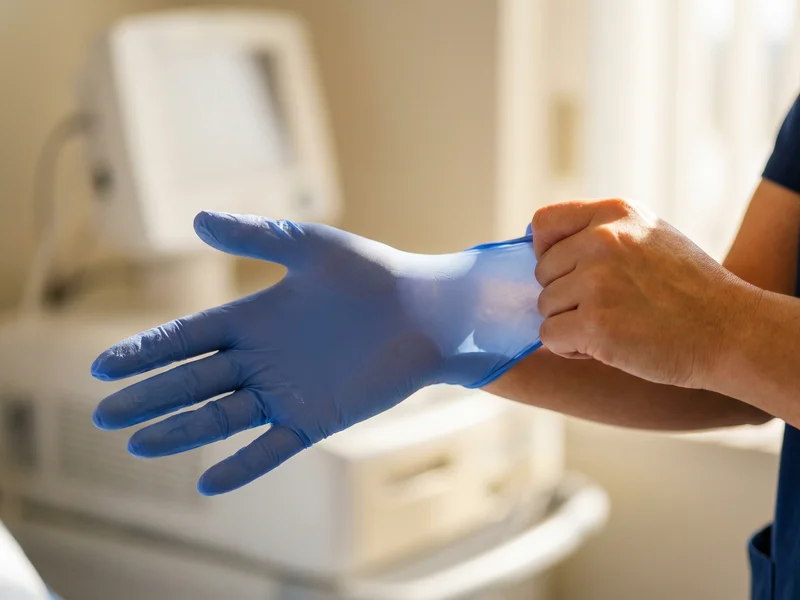
- Healthcare workplaces generate workers' comp claims at rates significantly above the national average — patient-handling injuries are the leading driver.
- Needlestick injuries trigger OSHA bloodborne pathogen protocols requiring immediate testing and prophylactic treatment, all covered medical costs.
- Managing your experience modification rate (e-mod) is critical because clinical staffing payroll drives substantial premium exposure.
- Investing in lift assist equipment, injury reporting, and return-to-work programs directly reduces your e-mod and annual premium over time.
- Your Morningside advisor reviews classification codes, confirms payroll accuracy, and identifies carrier loss-control programs.
REAL-WORLD SCENARIO
How This Coverage Works in Practice
- A medical assistant strained her lower back while helping a patient transfer from a wheelchair to the exam table.
- The injury required six weeks of physical therapy and kept her off patient duties for four weeks.
- Workers' comp covered all medical costs — approximately $9,400 — and provided 66% wage replacement during recovery.
- The business retained a valued employee without absorbing the full cost of her recovery out of operating cash.

FAQ
You've Got Questions. We've Got Answers.
Common questions about Workers' Compensation for healthcare professionals.
GET STARTED
Ready to Close the Gap?
Whether you're adding a new line or reviewing what you have, we'll give you a clear picture of where you stand.