Abuse and Molestation Insurance Coverage for Children-Serving Organizations


Reviewed by Akili Hinson, Managing Principal
TL;DR. Most commercial general liability policies in New York exclude abuse and molestation (A&M) by default, so coverage is added back through a dedicated endorsement or a standalone policy. The highest-exposure verticals are licensed child care, youth sports, camps, schools, after-school programs, and faith-based programs. Claims-made versus occurrence form, retroactive dates, the New York Child Victims Act look-back, and documented supervision protocols determine whether a claim is defended and at what cost.
Abuse and molestation coverage is a cross-vertical question rather than a single-industry concern. The same exclusion language sits inside the standard commercial general liability form that a daycare, a youth soccer league, a summer camp, a parochial school, and a faith-based after-school program all rely on. The coverage mechanics, the relevant NY statutes, and the risk controls that underwriters ask for look similar across those verticals, even when the operational details do not. This piece covers how the exclusion works, who needs dedicated A&M coverage, what policies actually respond to, and which supervision and screening practices underwriters expect before they will bind the risk.
Why standard general liability excludes A&M
Standard commercial general liability forms filed through ISO and used by most NY carriers exclude abuse and molestation by default. The exclusion dates to late-1980s and 1990s loss development that exposed carriers to institutional abuse claims they had not reserved for, per NAIC background on sexual-misconduct exclusions. The exclusion is broad: it applies regardless of whether the insured knew of the alleged conduct, and it removes both defense and indemnity for a covered claim.
The interpretive question for carriers is how "bodily injury" reads against abuse allegations. Bodily injury in an ISO GL form is tied to an "occurrence," and occurrence is defined as an accident. Courts have generally held that intentional abusive acts are not accidents, which would pull them out of coverage even without the exclusion. The exclusion exists because carriers wanted certainty rather than litigation over the occurrence definition every time an allegation surfaced.
Two mechanisms restore coverage. The first is an endorsement that deletes the A&M exclusion and adds an affirmative grant of coverage, typically with a separate sub-limit. The second is a standalone A&M policy written alongside the GL, usually on a claims-made form. Specialty writers active in the NY children-serving market include Philadelphia Insurance Companies, Markel, and Nonprofits Insurance Alliance. Each carrier's endorsement reads differently, so the certificate of insurance is not enough; operators need the full endorsement form to see the sub-limit, retroactive date, and defense-cost treatment.
Who needs dedicated A&M coverage
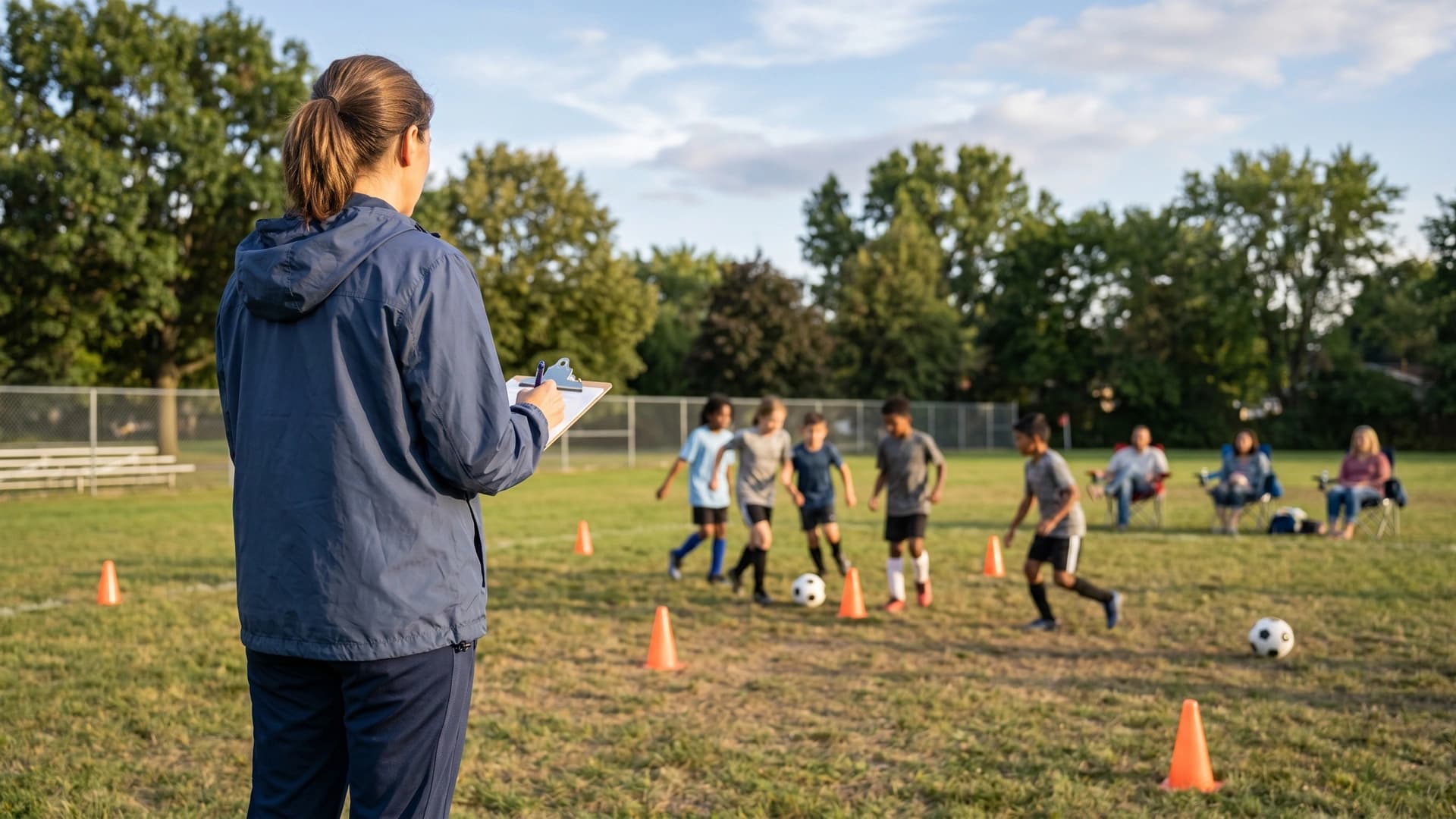
Any organization whose staff or volunteers have sustained, direct contact with children needs dedicated A&M coverage. The highest-exposure verticals are licensed child day care, youth sports leagues, summer and day camps, primary and secondary schools, after-school and enrichment programs, and faith-based youth programs. For NY-licensed child care specifically, see our operator's guide to daycare insurance in New York for how A&M intersects with OCFS licensing, NYCIRB workers comp rules, and the broader coverage stack. For youth sports specifically, see our companion analysis of youth sports organization insurance essentials.
Scale and licensing usually trigger the coverage requirement. A licensed NY child day care program falls under NY OCFS oversight, which in practice requires general liability and surfaces the A&M exclusion at the first certificate review. Youth sports leagues affiliated with national governing bodies face parallel requirements through league bylaws and the U.S. Center for SafeSport code, which many governing bodies now adopt as a condition of sanctioning. Gyms and fitness studios that run youth athletics, after-school training, or kids' group classes encounter the same exclusion question in their liability stack; our gym and fitness insurance guide for New York covers how the youth-programming layer interacts with the base GL and waiver structure. Camps accredited by the American Camp Association, schools and charters, and parochial programs each sit under their own accrediting or licensing body, and A&M coverage is functionally required by most accreditors, insurers, and facility lessors.
Informal programs still carry the exposure. A volunteer-run weekend soccer clinic, a church youth group, or a private tutor-collective that meets in a member's home has the same A&M risk profile as a licensed operation, without the licensing framework to surface the coverage gap. Homeowners and generic nonprofit GL policies almost always exclude A&M, so these programs need an affirmative endorsement or a dedicated policy before the first child walks through the door.
What A&M policies actually cover
A&M coverage grants defense and indemnity for claims alleging sexual abuse, physical abuse, or improper touching by staff, volunteers, or other insureds. Sub-limits for licensed NY child care typically run between $100K and $1M per claim with a separate annual aggregate, often $250K / $500K as a market floor and $1M / $2M for larger centers with strong risk controls. Youth sports, camps, and schools with higher adult-child contact hours commonly carry $1M / $2M or higher through a standalone policy. Actual limit selection depends on program scale, carrier appetite, and league or landlord requirements.
Defense-cost treatment is a second structural variable. Most A&M endorsements carry defense-inside-limits language, which means legal defense expense erodes the per-claim limit available for settlement. A $250K sub-limit with defense-inside-limits can be largely consumed by a year of contested defense before any settlement offer is on the table. Some carriers offer defense-outside-limits as a premium add-on; for larger operations the incremental cost is typically worth the structural protection. The policy also defines who counts as an insured, which matters when a claim alleges supervisory negligence by a board member or a third-party volunteer.
Exclusions on A&M policies are narrower than on GL, but they matter. Common exclusions include claims arising from conduct known to management before policy inception, criminal acts by named insureds that result in conviction, and personal liability of directors and officers who are alleged to have knowingly concealed misconduct. For service-level detail on how A&M fits into the broader GL structure, see our general liability coverage page and our child care industry page.
NY carrier options and policy triggers
The NY market for A&M coverage on children-serving operations is concentrated in specialty and human-services carriers rather than the generalist small-business market. Active writers include Philadelphia Insurance Companies, Markel, Nonprofits Insurance Alliance, Church Mutual, GuideOne, Great American, and a limited number of E&S markets for higher-exposure programs. Each carrier files its own form and retroactive-date treatment, which means two operations with identical exposure can see meaningfully different structures depending on the carrier that binds the risk.
Most A&M policies in the NY market are written claims-made, which attaches coverage to the policy period when the claim is reported rather than when the alleged act occurred. Claims-made coverage requires either continuous renewal or a purchased extended reporting period (tail) on termination, because A&M claims frequently surface long after the incident, often decades later. The New York Child Victims Act, codified at CPLR 214-g with a subsequent look-back window under CPLR 214-j, revived civil claims that had been time-barred and extended the age by which new claims can be filed. For operators, that means retroactive dates and tail coverage are not paperwork details; they are the difference between an active defense and a denied tender when a decades-old allegation arrives.
Occurrence-form A&M coverage, when available, attaches to the date of care rather than the date of report. It is structurally cleaner for long-tail risk and eliminates the retroactive-date and tail-purchase complexity that claims-made exits introduce. A smaller number of specialty carriers write occurrence A&M for NY children-serving operations, typically at a premium 20–35% above the equivalent claims-made rate. For operations with a stable long-term plan and the capital to absorb the higher annual cost, occurrence form is usually the safer structure.
Background checks, supervision protocols, and why underwriters ask
Underwriters writing A&M coverage ask for specific documented practices before they will bind the risk. The two-person rule, sometimes described as two-deep leadership, appears across virtually every preferred-practice framework: the U.S. Center for SafeSport minor athlete abuse prevention policies, Praesidium risk-management research, the Boy Scouts of America Youth Protection standards, and CDC guidance on preventing child sexual abuse within youth-serving organizations. Documented two-person supervision on all child-contact activities is one of the strongest predictors of lower claim frequency and a cleaner defense posture when an allegation does surface.
Background screening is the second pillar. For NY-licensed child care, that means fingerprint-based checks through the Statewide Central Register and OCFS-mandated reference checks. For youth sports, SafeSport-affiliated governing bodies now require criminal background checks for all covered adults plus training on abuse prevention. Camps, schools, and faith-based programs have parallel requirements through their own accrediting bodies. Beyond the check itself, underwriters look for documented re-screening cadences, usually annual or biennial, because a clean check at hire does not stay clean forever.
The third pillar is protocol documentation: written policies on diaper-changing and bathroom protocols, locker-room and transportation supervision, one-on-one lesson or tutoring rules, electronic communication between staff and minors, and mandatory reporter obligations under NY Social Services Law §413. Centers that can produce these policies in writing, with training records showing staff have reviewed them, tend to see lower premium, higher sub-limits, and fewer underwriting subjectivities. Centers that cannot face either higher premium, lower sub-limits, or specific exclusions such as a solo-staff-with-child carveout.